Emergent Bilinguals
Talking Points:
Argument Statement:
The three readings are arguing that students' home language is extremely valuable to their identity and to their acquisition of a new language [English]. Teachers need to understand power and privilege in American society in the category of language, and use that understanding to teach emergent bilingual students from an "asset" point of view instead of a "deficit" point of view. Again, "The key is the true appreciation of the different linguistic and cultural values that students bring into the classroom" (Collier, 2004, p. 223).
- A student's home language is a part of their identity. Discouraging the use of the home language can negatively affect the dynamic between a family. This needs to be seen as an incredible loss that should be protected against all.(Rodriguez, 2004)
- "The key is the true appreciation of the different linguistic and cultural values that students bring into the classroom" (Collier, 2004, p. 223). Seven guidelines for teaching emergent bilinguals:
- Be aware that children use first language acquisition strategies for learning or acquiring a second language.
- Do not think of yourself a remedial teacher expected to correct so-called "deficiencies" of your students.
- Don't teach a second language in any way that challenges or seeks to eliminate the first language.
- Teach the standard form of English and students' home language together with an appreciation of dialect differences to create an environment of language recognition in the classroom.
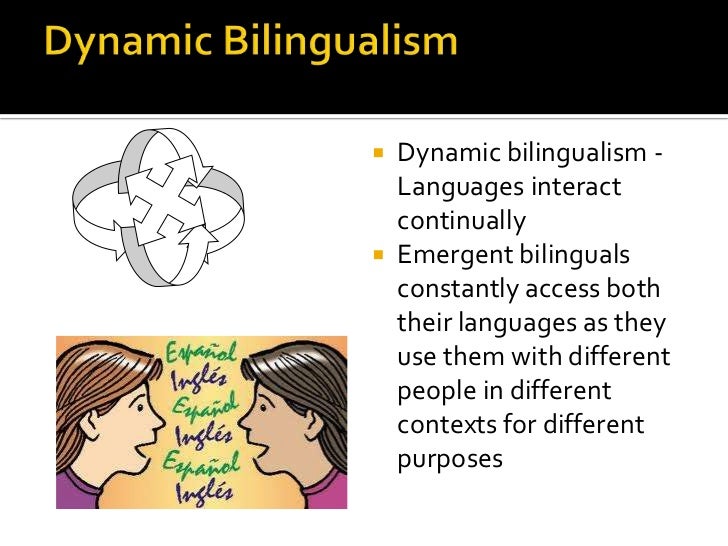
- Do not forbid students from using their dynamic bilingualism. Understand the importance and function of using both languages dynamically
- Provide a literacy development curriculum that is specifically designed for English language learners.
- Provide an integrated and balanced approach to the four language skills: listening, speaking, reading, and writing
- I think the power dynamic against emergent bilinguals is a factor in RIDE's decision to allow students to not receive as much support with a certified ESL teacher (Hesson & Toncelli, 2017).
Here is a webinar by Ofelia Garcia (the leader in dynamic bilingualism). I know this is long, but it is very informative if you have the time about how emergent bilinguals learn best.
The three readings are arguing that students' home language is extremely valuable to their identity and to their acquisition of a new language [English]. Teachers need to understand power and privilege in American society in the category of language, and use that understanding to teach emergent bilingual students from an "asset" point of view instead of a "deficit" point of view. Again, "The key is the true appreciation of the different linguistic and cultural values that students bring into the classroom" (Collier, 2004, p. 223).


Comments
Post a Comment