Literacy With an Attitude (Finn, 1999)

Talking Points
- Students in working class schools were not held to high standards (mechanical and routine) by teachers; seen as lazy; not challenged just because they were from working class families; Knowledge not connected to the lives and experiences of students.
- Working class school – dominant theme --> resistance
- Students middle class schools, knowledge was not connected to the students' lives and experiences. Students have some decision making, some figuring; The work rarely called for
- Middle class school – dominant theme --> possibility
- Students in affluent professional schools, creativity and personal development were important goals; a lot of current events; Open to discovery; School knowledge as having relevance to life’s problems.
- Affluent professional school – dominant theme --> individualism with minor theme of humanitarianism
- Students in executive elite schools, knowledge was academic, intellectual, and rigorous. Reasoning and problem solving were important. Little questioning of the status quo; more autonomy.
- Executive elite school – dominant theme --> excellence; preparation for being the best.
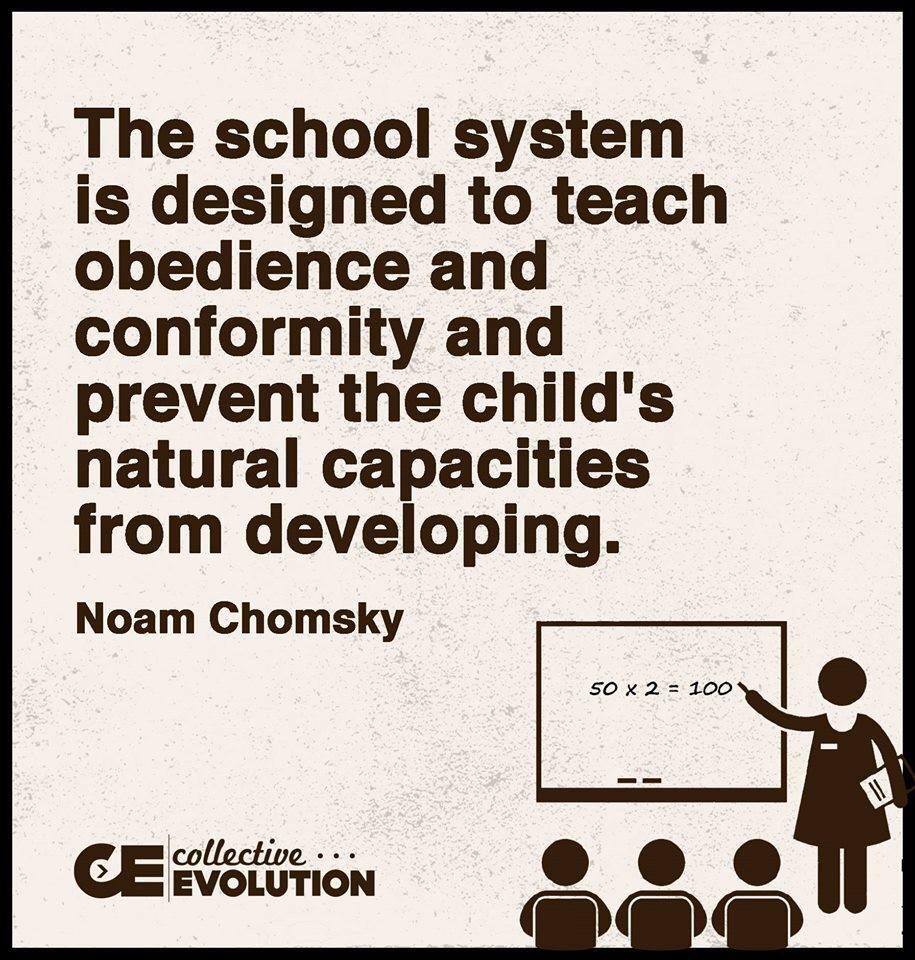
- "Anyon's study supports the findings of earlier observers that in American schools children of managers and Owners are rewarded for initiative and assertiveness, while children of the working-class are rewarded for docility and obedience and punished for initiative and assertiveness" (Finn, 1999, p. 20).
- Peterson – connections built between the topics and the students’ lives and the broader world around them; relating to life; models social responsibility; small group problem solving and community circles to build mutual respect, communication, group decision making, and cooperation.
Argument Statement
The author argues that teachers need to be allies with their working class students in order for them to gain and use the knowledge and literacy skills that can help them make gains in social justice and equality. Schools/teachers are enabling the status quo and in order to be a part of working class students gain more power, curriculum and methods needs to be:
- grounded in the lives of students
- critical; designed to enable students to ask critical questions
- activist
- rigorous
- participatory and experimental
- hopeful, kind, and visionary, and
- powerful literacy and school discourse are taught explicitly


Comments
Post a Comment